What Is Orofacial Myofunctional Disorder (OMD)? Signs Parents Should Know
As parents, we often notice when our children have trouble speaking clearly, sleeping soundly, or eating comfortably. What many families don't realize is that these concerns can sometimes be connected to an underlying condition called an Orofacial Myofunctional Disorder (OMD).
Understanding OMD can help families identify concerns early and get the support their child needs to thrive.
What Is OMD?
OMD stands for Orofacial Myofunctional Disorder.
Oro = mouth
Facial = face
Myo = muscles
Functional = how something works or operates
Simply put, OMD refers to disorders caused by abnormal movement patterns or muscle function of the mouth and face.
These patterns can affect breathing, eating, swallowing, speech development, dental growth, and overall oral function.
Common characteristics of OMD include:
Open-mouth resting posture
Incorrect tongue positioning at rest
Tongue thrust swallowing patterns
Atypical chewing habits
Speech sound errors, including lisps
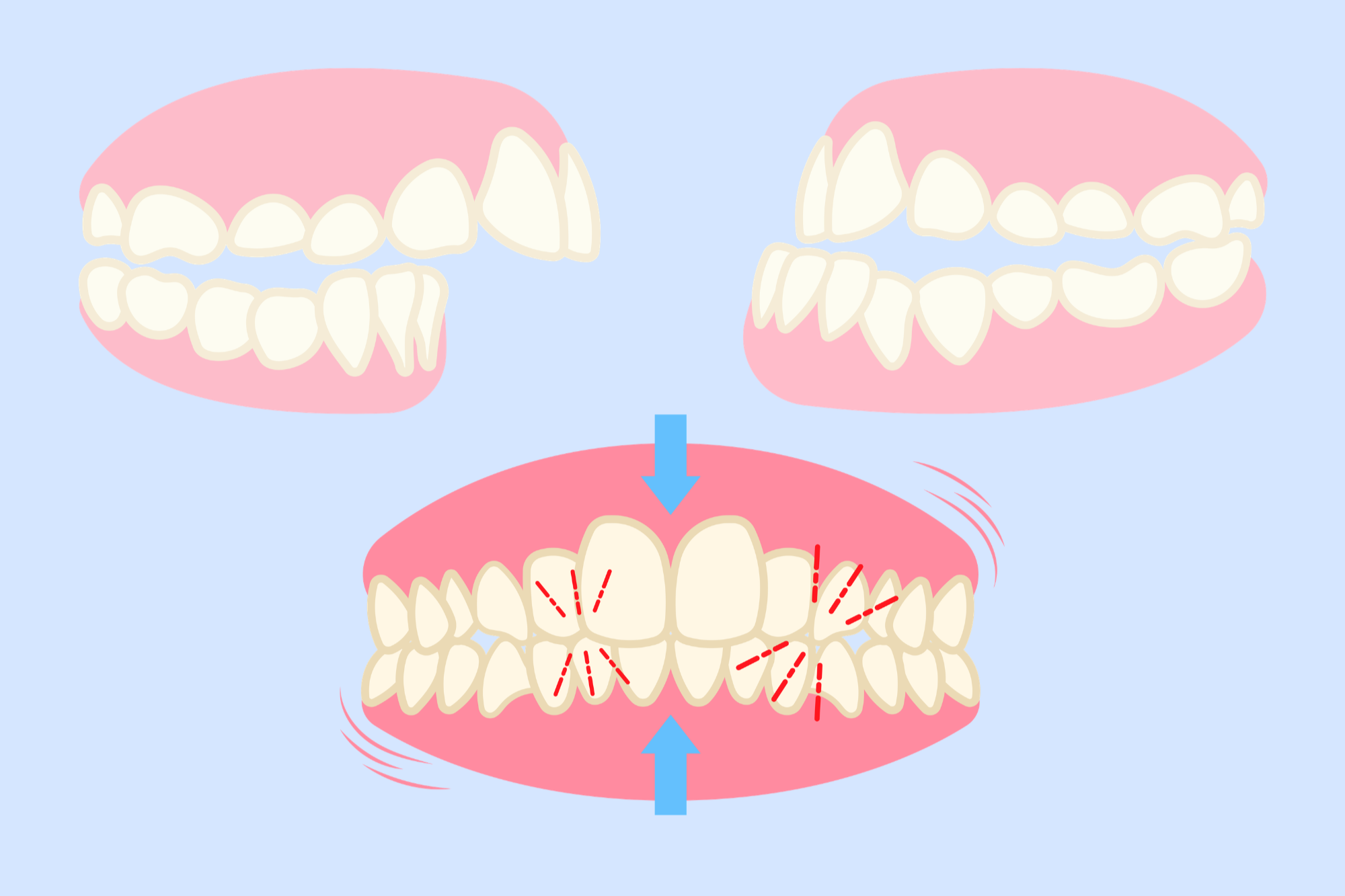
Dental misalignment (malocclusions)
Airway concerns that impact breathing
What Causes OMD?
Several factors can contribute to the development of OMD, including:
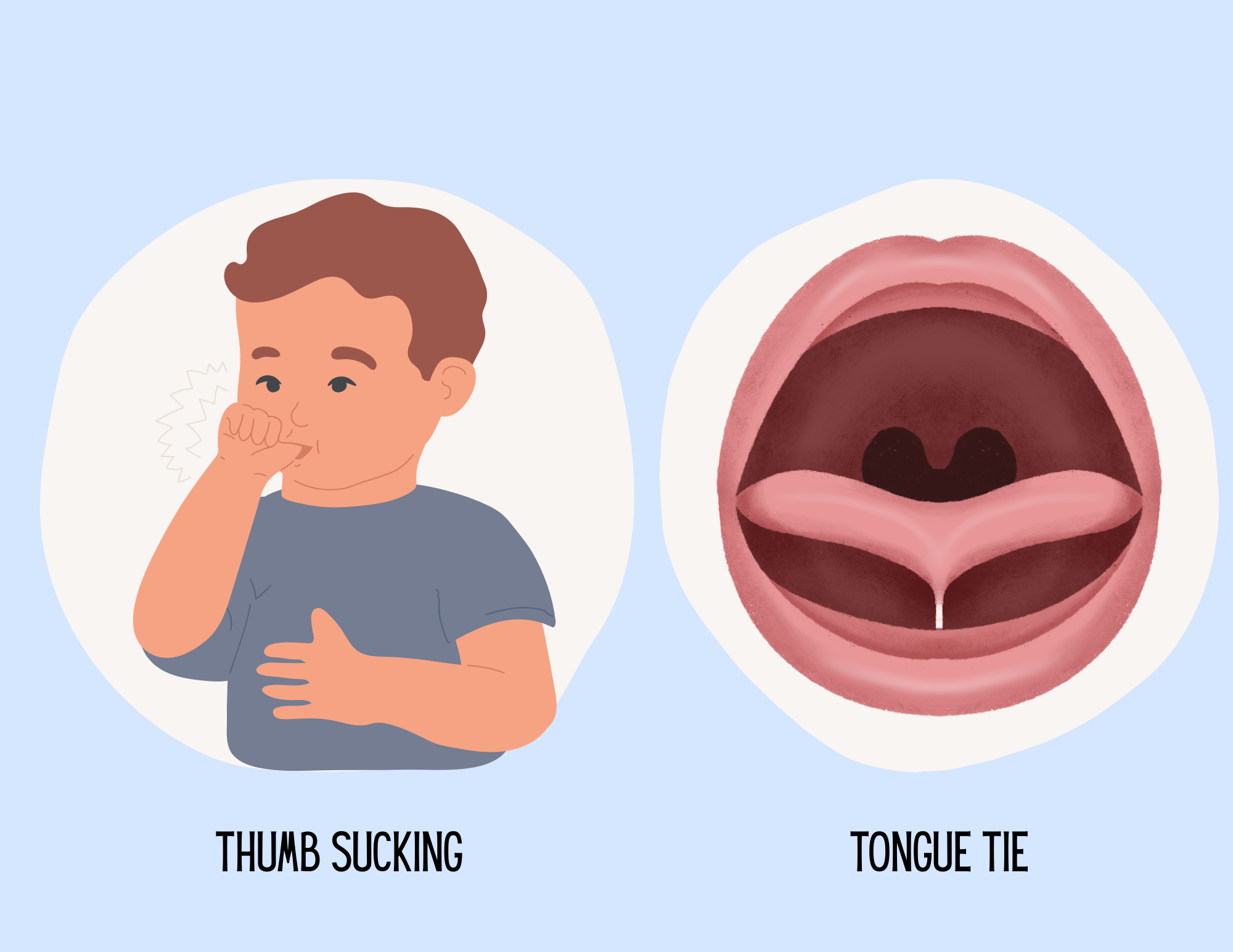
Tongue ties or lip ties (tethered oral tissues)
Chronic mouth breathing
Enlarged tonsils or adenoids
Allergies, asthma, or chronic congestion
Prolonged pacifier use
Thumb sucking
Structural differences in oral and facial development
Because OMD affects multiple body systems, children often benefit from a team approach that may include speech therapists, dentists, orthodontists, ENTs, feeding therapists, and other specialists.
Signs Your Child May Benefit From an OMD Evaluation
Parents often mention concerns such as:
Breathing & Sleep
Open-mouth posture throughout the day
Audible breathing
Snoring
Difficulty sleeping through the night
Frequent congestion or sinus infections
Feeding & Oral Function
Difficulty nursing as an infant
Challenges transitioning to new food textures
Messy chewing patterns
Excessive drooling
Difficulty swallowing certain foods
Oral Development
Dental Misalignment
Tongue tie or lip tie concerns
Narrow, high, vaulted, or domed palate
Open bite
Overbite or underbite
Teeth that appear splayed or crowded
Speech Concerns
Persistent lisps
Speech sounds that are difficult to produce clearly
Ongoing articulation concerns
Who Can Receive OMD Therapy?
We can evaluate and treat children as young as 4 years old.
Children are typically most successful when they are able to:
Follow simple directions
Attend to structured activities
Imitate clinician models during exercises
Participate consistently in home practice activities
Every child is unique, and our therapists can help determine whether your child is ready for therapy during the evaluation process.
What Happens During an OMD Evaluation?
An Orofacial Myofunctional evaluation is comprehensive and designed to identify the root causes of your child's symptoms.
The evaluation may include:
A detailed parent interview
Oral mechanism examination
Assessment of facial and oral muscle function
Feeding and swallowing observations
Articulation and speech assessment
Review of breathing and airway concerns
We will also discuss factors such as:
Airway obstruction
Structural differences of the mouth and face
Restricted oral tissues (tongue ties or lip ties)
Chewing and swallowing patterns
Feeding history and current eating habits
Have Other Specialists Evaluated Your Child?
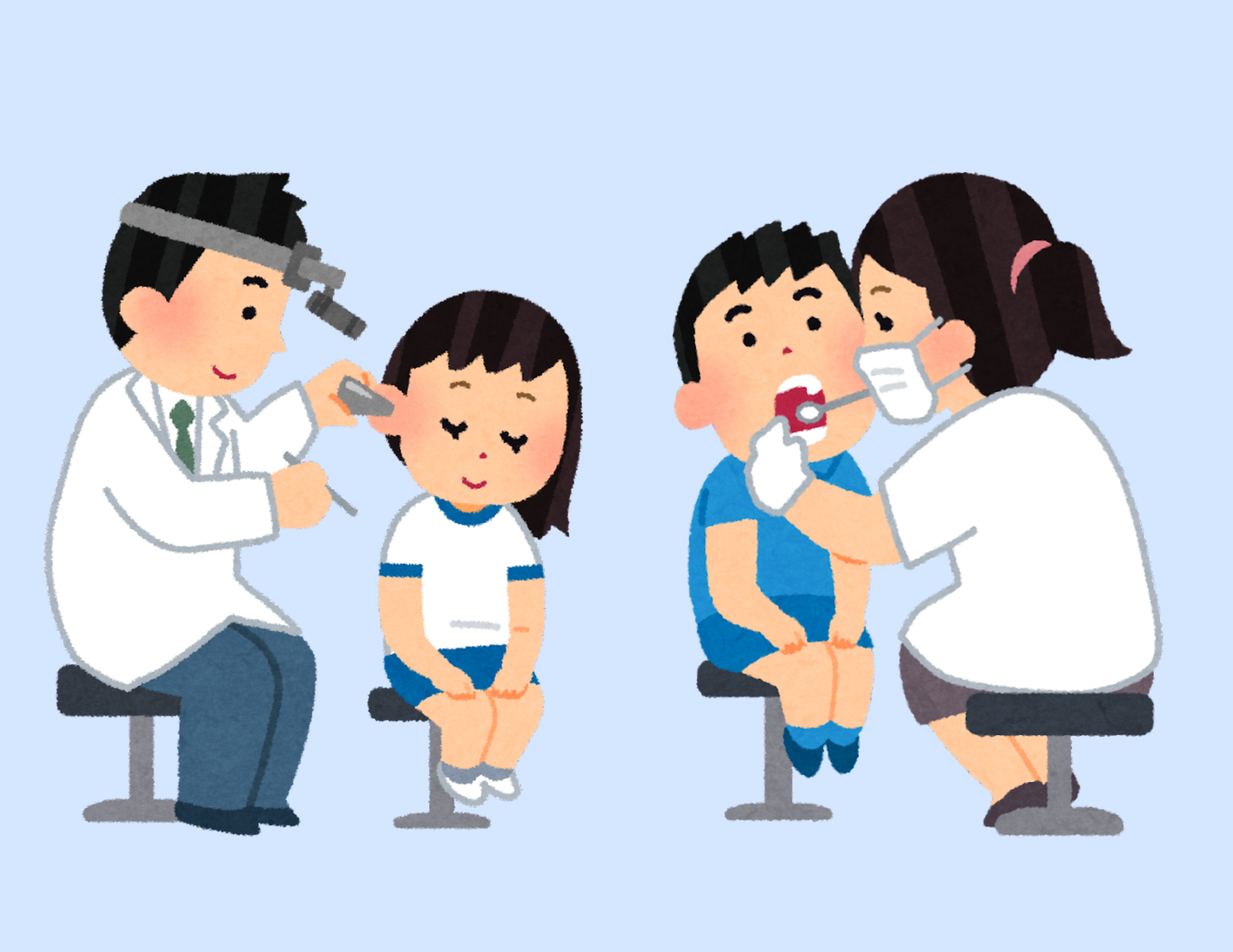
Because OMD often overlaps with other areas of development, it can be helpful to know whether your child has been evaluated by:
An Ear, Nose, and Throat (ENT) physician
A dentist or orthodontist
A feeding therapist
A tongue-tie or tethered tissue specialist
Collaboration between providers helps ensure that children receive the most effective and comprehensive care possible.
Early Intervention Makes a Difference
The muscles of the mouth and face play an important role in breathing, eating, speaking, sleeping, and dental development. When these muscles are not functioning optimally, children may experience challenges across several areas of daily life.
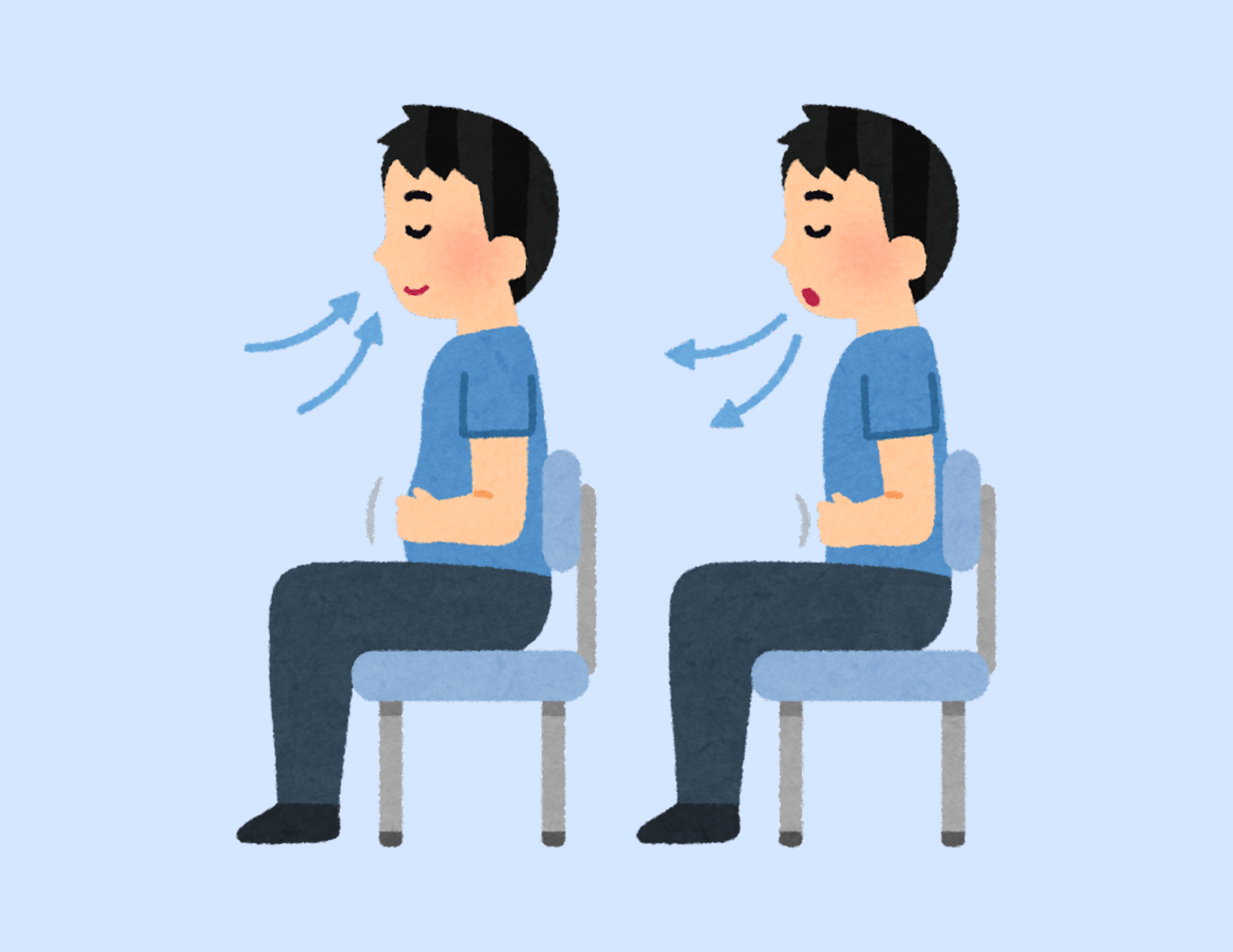
If you've noticed signs such as mouth breathing, drooling, feeding difficulties, tongue tie concerns, snoring, or speech challenges, an Orofacial Myofunctional evaluation may help identify the underlying cause and create a plan for improvement.
Our team is here to answer your questions and help determine whether OMD therapy may be beneficial for your child. Call our front office at 724-888-2548 today to get an evaluation scheduled!