Helping Children Reach New Heights: The Benefits of DMI
Every child learns and develops in their own unique way. For children who experience developmental delays, motor challenges, or difficulties with functional movement, having access to specialized therapy techniques can make a meaningful difference in their progress.
One treatment approach that has become a valuable tool in pediatric physical and occupational therapy is Dynamic Movement Intervention (DMI).
At our pediatric therapy clinic, we are proud to incorporate DMI into individualized treatment plans to help children build strength, improve motor skills, develop postural control, and gain greater independence in everyday activities.
What Is DMI?
Dynamic Movement Intervention (DMI) is a therapeutic technique designed to improve gross motor function and support developmental milestones. DMI uses specific exercises, movements, and positioning to encourage the child's body to actively participate in movement and develop improved postural and motor control.
DMI can be used with children who have a variety of developmental needs. Activities are selected based on each child's individual abilities, goals, and needs, allowing therapy to remain personalized and purposeful.
How Can DMI Benefit Physical Therapy?
In pediatric physical therapy, DMI can be a helpful tool for addressing a variety of gross motor skills.
Some potential benefits include:
Improved strength: DMI activities can challenge children to activate and strengthen muscles needed for functional movement.
Better postural control: Children can work on maintaining more effective alignment and control of their bodies.
Improved balance: DMI can provide opportunities to practice balance reactions and stability.
Development of motor skills: Therapeutic positioning and movement can help children work toward important developmental milestones.
Increased weight-bearing: Certain DMI exercises encourage children to bear weight through their arms and legs, supporting functional strength and motor development.
Improved coordination: DMI can help children practice controlled, purposeful movements.
Greater independence: As children develop improved strength and motor control, they may be better able to participate in play and everyday activities.
DMI in Occupational Therapy
While DMI is often associated with gross motor development, it can also be a valuable treatment tool within occupational therapy.
Occupational therapists can incorporate DMI techniques to support skills that are important for participation in everyday activities. Improved postural stability and body control can provide a stronger foundation for developing fine motor skills, visual-motor skills, upper-extremity function, play skills, and independence with daily activities.
For example, when a child has difficulty maintaining a stable position, it can be challenging to use their hands effectively for activities such as reaching, grasping, manipulating toys, or participating in self-care tasks. By addressing foundational motor and postural skills, DMI can complement other occupational therapy interventions.
Every Child's Therapy Should Be Individualized
One of the most important aspects of pediatric therapy is recognizing that there is no single approach that works for every child.
DMI is not intended to replace other therapeutic interventions. Instead, it can be incorporated alongside other evidence-informed strategies as part of a comprehensive treatment plan. Your child's therapist will determine whether DMI is appropriate based on their individual presentation, goals, and needs.
Therapy should always be purposeful, engaging, and connected to what matters most to the child and their family.
Meet Our DMI Providers
We are excited to have specially trained therapists on our team who can incorporate DMI into pediatric therapy when appropriate.
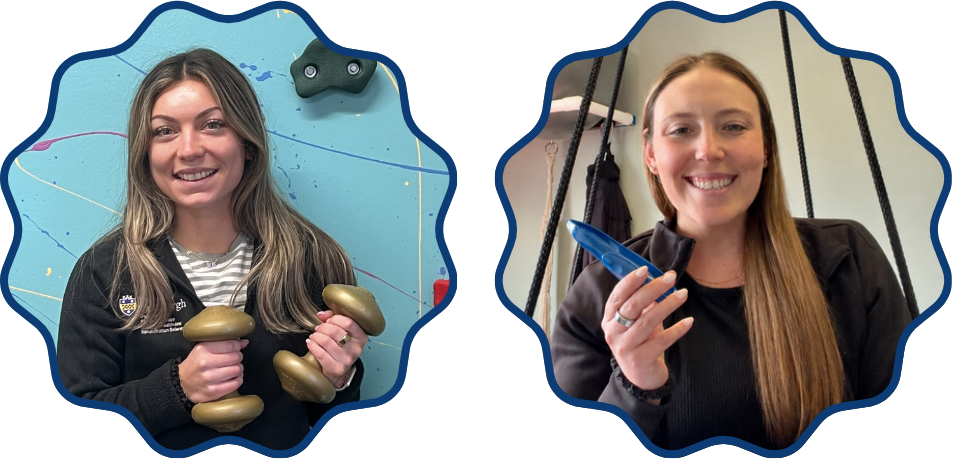
Miss Alexis is a DMI-certified provider in Physical Therapy, bringing specialized training to her work with children who are developing their gross motor skills, strength, balance, and functional movement.
Miss Mikayla is a DMI-certified provider in Occupational Therapy, allowing her to incorporate DMI techniques into OT sessions to support postural control, motor development, and functional participation.
Their specialized training gives our team another valuable tool to help children work toward their individual therapy goals.
Supporting Progress, One Movement at a Time
For families, watching a child gain a new skill can be an incredibly rewarding experience. Whether it's sitting with greater stability, taking those first steps, reaching for a favorite toy, or becoming more independent during everyday activities, every milestone matters.
DMI can be one piece of the puzzle in helping children develop the foundational skills they need to participate, play, explore, and grow.
Our goal is always to meet each child where they are, celebrate their progress, and provide them with meaningful opportunities to reach their potential.
Interested in learning whether DMI may be appropriate for your child? Talk to your PT, OT, or call our office today at 724-888-2548 to discuss how this specialized treatment approach may fit into their individualized plan of care.