Dynamic Movement Intervention
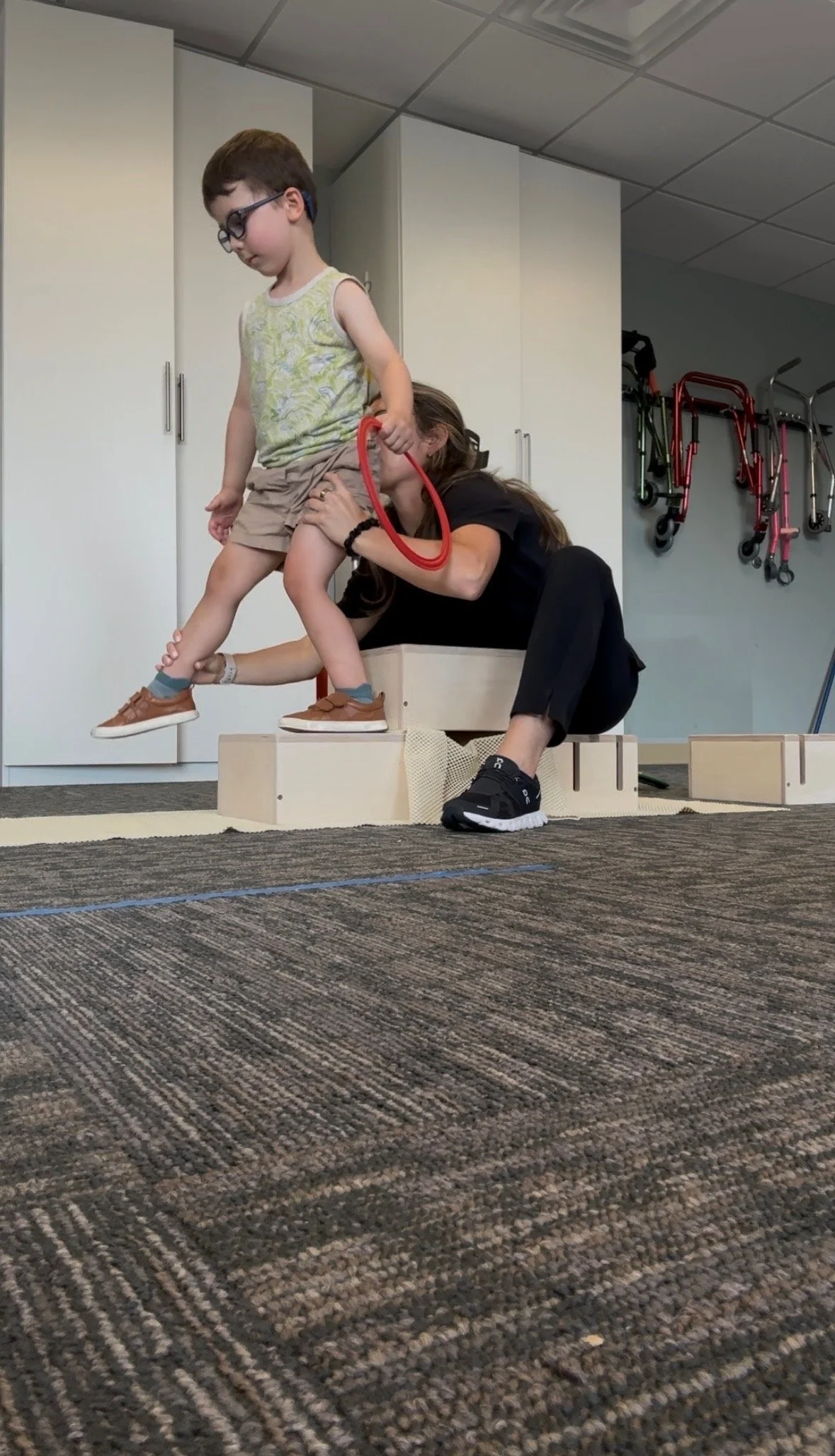
Reach for Speech offers DMI through our PT and OT programs. DMI is integrated into sessions if your child would benefit from these services. Your child would be led through specific positions and movement activities to encourage active participation and muscle activation through the desired movement. DMI stimulates neuroplasticity to help your child's brain make new connects and develop motor milestones.
DMI: Dynamic Movement Intervention

What is it?
Dynamic Movement Intervention (DMI) is a therapeutic approach used by trained pediatric therapists to help children develop functional movement and postural skills.
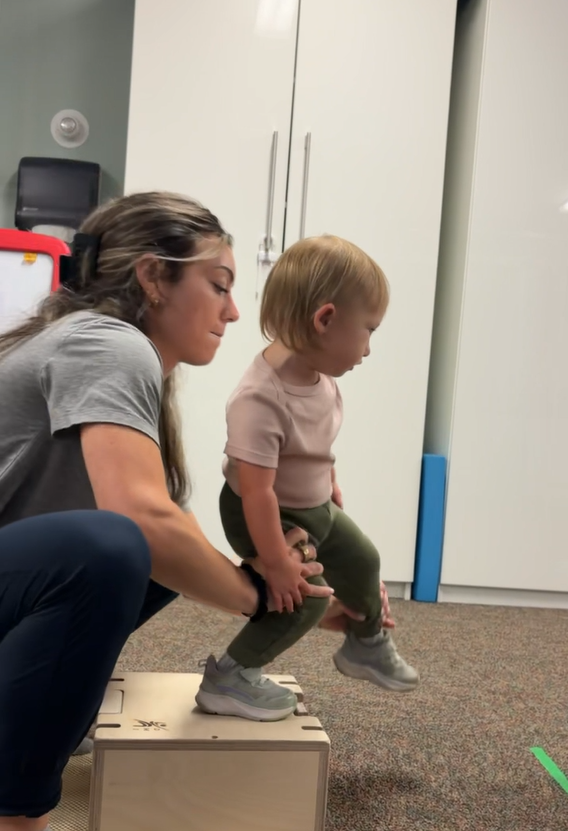
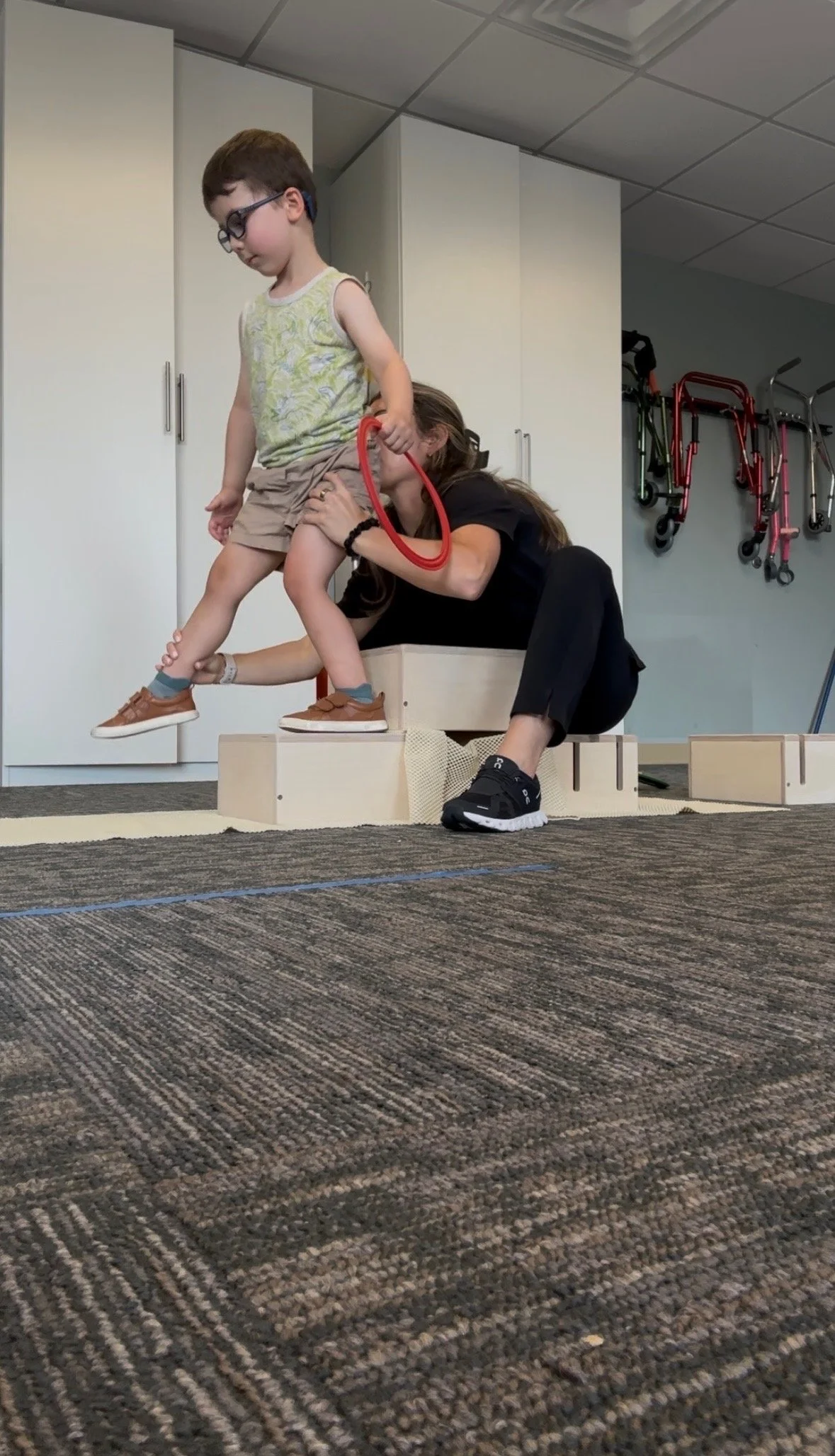
DMI incorporates specific handling, positioning, and movement activities designed to challenge a child's ability to actively participate in movement and maintain postural control.
What to expect?
Every child is different, so the benefits of DMI will look different from child to child. Depending on your child's needs, DMI may help with:
Building strength
DMI gives children opportunities to strengthen the muscles they need for sitting, standing, walking, and other everyday activities.
Improving balance
Children can practice keeping their balance while their therapist provides the support they need.
Improving body control
DMI can help children learn how to better control their head, trunk, arms, and legs during movement.
Learning new movement patterns
Children who have difficulty figuring out how to move from one position to another can benefit from practicing these movements with the guidance of a therapist.
Increasing confidence with movement
When children experience success with a movement, it can help them become more comfortable and confident using their bodies.
Working toward developmental milestones
DMI can be incorporated into therapy to help children work toward skills such as rolling, sitting, crawling, standing, and walking.
What Does DMI Look Like During a Therapy Session?
DMI can look a little different from traditional exercises you may picture when you think of physical or occupational therapy.
Your therapist may use their hands, specialized equipment, or different positions to help your child practice movement.
For example, your child might work on:
Sitting with improved balance
Standing with support
Shifting their weight from one side to the other
Moving from sitting to standing
Strengthening their legs
Improving trunk and head control
Practicing positions that prepare them for crawling or walking
And yes—your child may work hard! DMI activities are designed to provide a challenge, but your therapist will adjust the activity based on your child's abilities and tolerance.
Who Can Benefit?
DMI may be considered for children who have neuromotor or developmental movement challenges and difficulty achieving age-appropriate postural and gross motor skills.
DMI may be appropriate if your child demonstrates:
Delayed gross-motor milestones
Difficulty with head or trunk control
Difficulty maintaining upright posture or alignment
Limited ability to transition between positions
Difficulty with weight-bearing or standing and walking skills.
Challenges with balance and equilibrium
Gravitational Instability
Age: 0–10 years
Height: up to 4ft 11 in
Weight: up to 40lbs if working on sitting balance; up to 100lbs if working on box exercises.