
Summer Sensory Tips: Navigating Sand, Sunscreen and Swim Shirts This Season
Summer comes with so many outdoor adventures like hikes and swims, but this fun is not without some discomforts that may bother your child. It’s critical to understand these frustrations your child may experience, prepare them as best you can and limit the discomfort where possible.
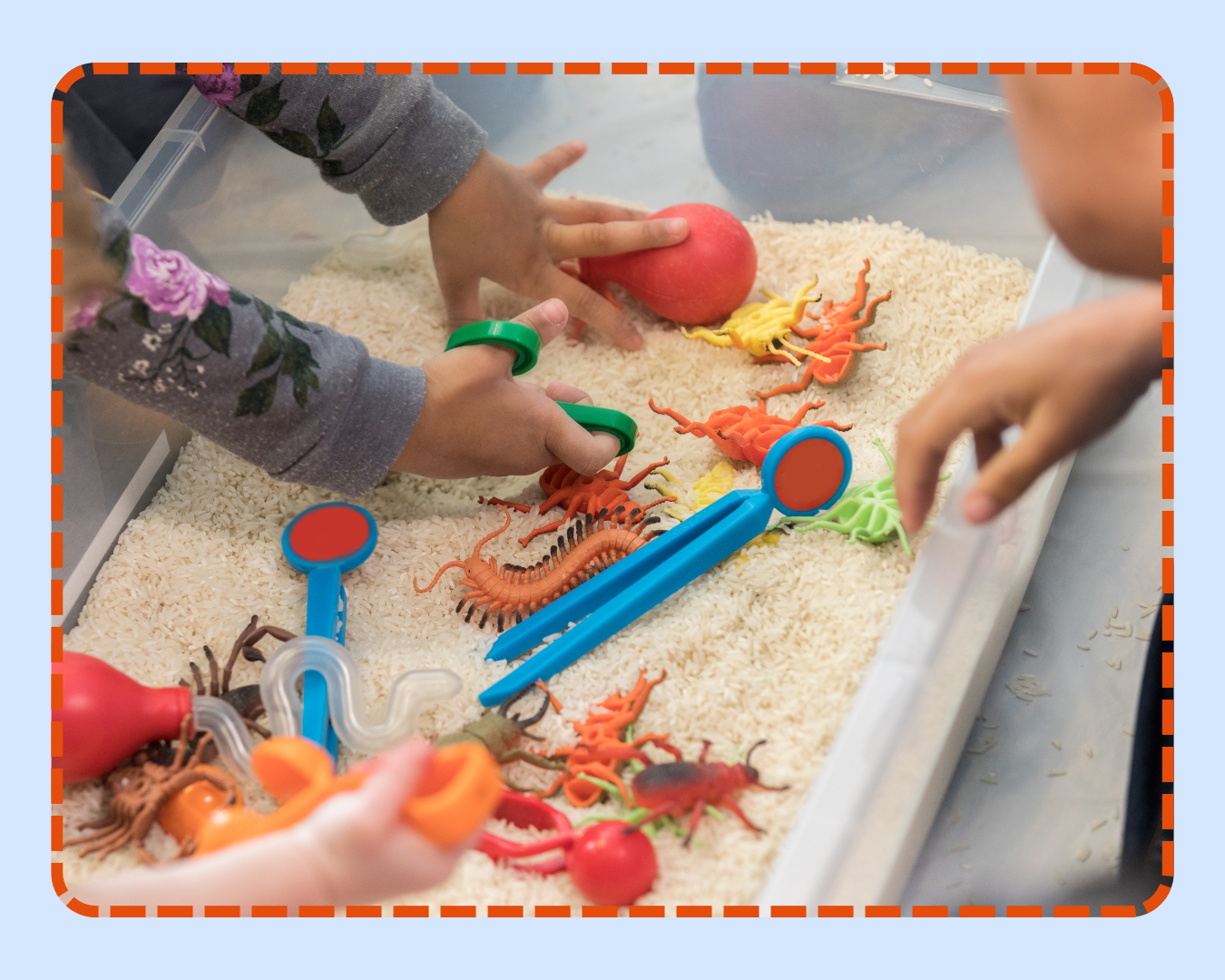
One way to prepare for a high sensory environment is to build your child’s sensory diet beforehand. Our winter sensory blog post described a sensory diet as “an individualized plan of physical activity and sensory experiences designed to help regulate the nervous system.” Sensory diets mean that differing sensations are incorporated daily to build confidence and preparation for summer sensory fun!
Building a Summer Sensory Diet
Sensory diets should be individualized for preferences and existing skills. There are infinite possibilities to expose your child and an OT can make child specific suggestions. There are also many available resources to engage in sensory based play at public libraries and community recreation centers that can help build sensory skills beyond the home.
Summer Specific Overload
Summer activities often rely on sensory input. Just a trip to the beach includes varieties of sand, waves, sunscreen, wet swimsuits, bugs, crowds and loud lifeguard whistles. As a caregiver, it’s important to understand that a child’s discomfort is not “being difficult” and that it is their nervous system responding to overwhelming input. When children feel overwhelmed, they may cry, run away, become irritable or cover their ears. These behaviors can be signs that their body needs support.
Anticipatory Conversations
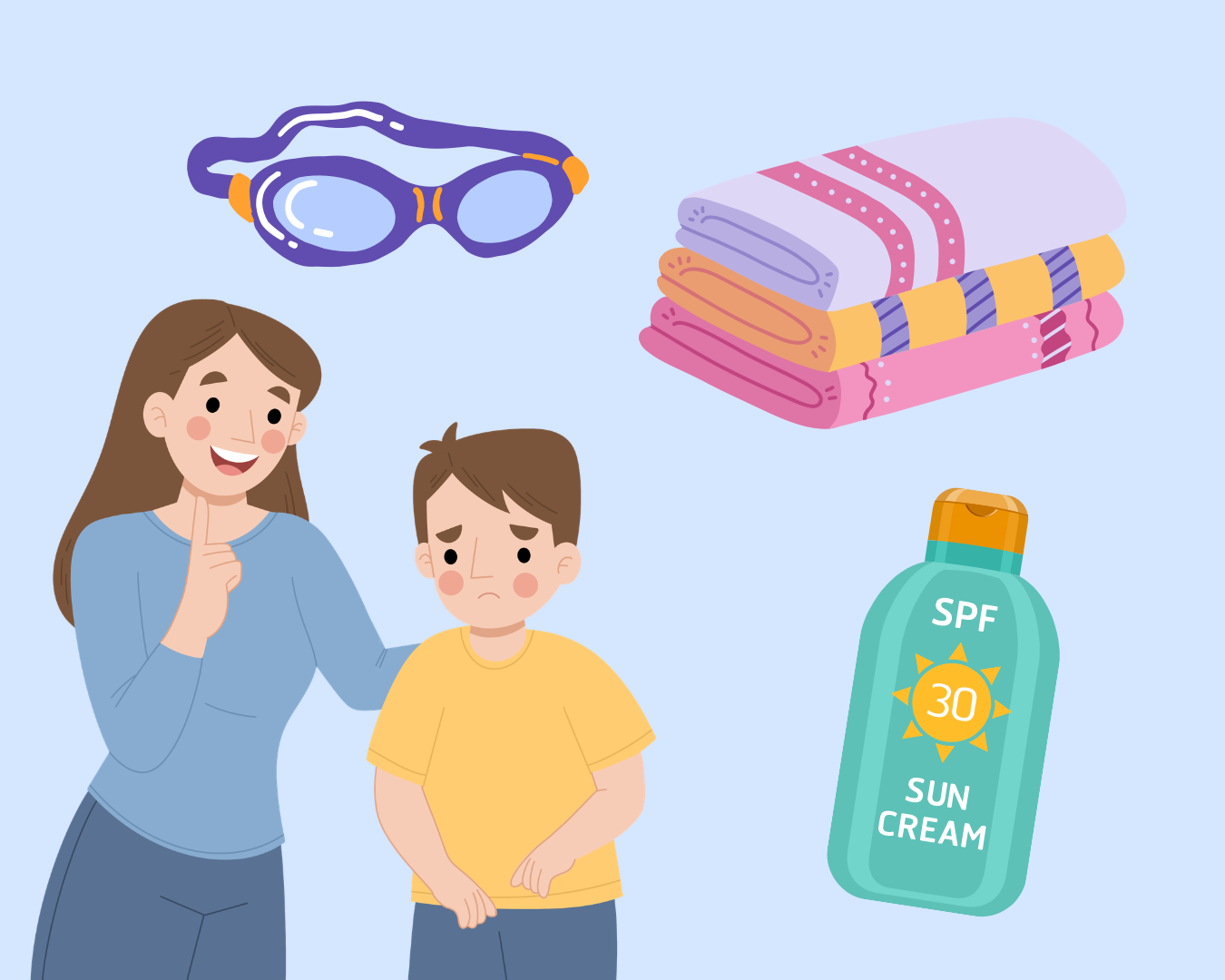
Building a sensory diet is a routine anticipation strategy but there are conversations you can have with your child so they understand this overload of input. For example, before going to the beach, you might say, “The sand may feel scratchy on your legs and the sunscreen may feel cold, so if your body feels uncomfortable, ask for a break.” This allows the child to understand their feelings are valid and an adult can help them calm down. These conversations can also include choices to increase the child’s autonomy. You can ask, “Would you like to wear water shoes or sit on a towel?” or “Do you want spray or lotion sunscreen?” Giving children choices helps them feel more in control. Getting them excited about certain aspects can also reduce any anxious feelings. A sunscreen branded with a favorite character is a great way to motivate children who may be hesitant.
As a caregiver, it’s also a good idea to bring preferred toys, headphones or anything that might help overstimulation. If a child doesn’t like the wet swim shirt feeling, bringing a dry change of clothes for after a swim can reduce the duration of discomfort.
During Overstimulation
Even with a diverse sensory diet and the right anticipatory conversations, sensory overload can still happen! So, what do you do at the time of sensory stimulation? You know your child best and you know what will calm them down, but in general, removing the irritant is great when possible. However, you can’t take all the sand off the beach or stop your child from sweating. Modeling and encouraging calming breathing, distracting from the irritant or offering hugs and squeezes are often enough to relieve the discomfort.
Sensory Reflection
Embarking on this sensory journey with your child will teach you a lot about them! As you learn, it’s important you reflect on each sensory experiment to improve their support for next time. Considering “What worked well? What didn’t? What would work better for next time” are critical questions to ask yourself as you work on their sensory diet and outings. Sensory support is a process of learning, adjusting and celebrating small successes. Not every strategy will work perfectly the first time, and that is okay. By staying patient, prepared and responsive, you can help make summer outings feel more comfortable and fun!
Written By Jaime Donatucci